Maintaining comfort in Southern California demands vigilant HVAC maintenance. Overlooking warning signs can lead to discomfort and rising costs. This guide highlights seven urgent red flags, practical efficiency tips, and how Reese Mechanical Inc. safeguards homes and businesses with energy-efficient HVAC care.
Unusual Noises and System Distress
A properly functioning HVAC system should run quietly. When new sounds such as rattling, grinding, or squealing arise, immediate attention is crucial. Rattling often suggests loose screws or compromised ductwork. Grinding may indicate worn blower motor bearings, risking motor failure and expensive repairs. Squealing typically points to belt tension issues or compressor strain. Extended cooling cycles in Southern California can intensify these issues rapidly.
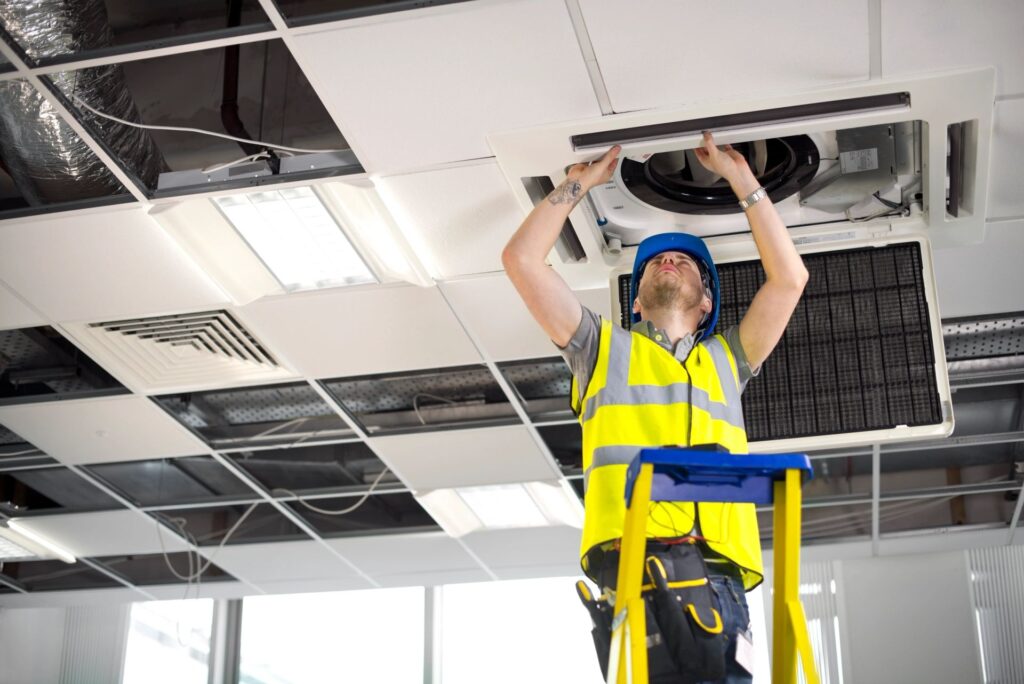
If you notice unfamiliar noises, turn off the power at the thermostat, check for debris, and tighten panels if accessible. These steps may provide temporary relief, but persistent noises signify underlying problems that require professional diagnostics. Reese Mechanical’s technicians use advanced acoustic sensors and thermal imaging to pinpoint faults. Their rapid-response vans, operating across San Diego to Riverside, ensure minimal downtime and swift resolution.
Weak Airflow and Comfort Loss
When air barely emerges from vents, both comfort and efficiency decline. Common causes include clogged filters restricting airflow, duct obstructions such as crushed flex lines, dust buildup on the blower wheel, and failing compressors. Reduced airflow extends system run times and increases utility bills. Replacing filters every 30–60 days, especially during wildfire season, vacuuming registers, and clearing vegetation around outdoor condensers are essential maintenance steps.
For more complex issues, Reese Mechanical provides comprehensive maintenance plans for residential and commercial properties. Technicians assess static pressure, inspect duct interiors, and recommend solutions ranging from duct sealing to blower upgrades. Their data-driven approach and flexible service options keep your system efficient and maintain indoor air quality.
Inconsistent Temperatures and Uneven Comfort
Experiencing hot spots in one room and cold spots in another often points to miscalibrated thermostats, poor placement near sunlight, closed or imbalanced dampers, or improperly sized equipment. Start by ensuring your thermostat is level, replacing batteries, and checking settings. Assess vent output in each room and partially close vents in colder areas to balance airflow. Significant temperature swings usually indicate deeper issues like duct leaks or mismatched systems.
Reese Mechanical conducts comfort audits using thermal imaging and airflow data to identify and solve such problems. Their recommendations may include zoning controls for multi-story homes or recalculating loads for commercial properties. Proper humidity and balanced airflow enhance both comfort and productivity.
Spikes in Energy Bills and Costly Neglect
A sudden increase in your utility bill typically means your HVAC system is overworking. Dirty coils can reduce efficiency by up to 30 percent, and refrigerant leaks force compressors to run longer. Compare your current energy costs to previous periods; a sharp rise highlights trouble.
Quick efficiency tips include hosing down condenser fins twice each summer, keeping blinds closed during peak sunlight, and scheduling routine coil cleanings. Reese Mechanical offers spring and fall cleaning discounts. Energy-efficient upgrades such as ECM motors or heat-pump retrofits can cut annual costs by 20-40 percent. With the EPA phasing down high-GWP refrigerants, investing in compliant, low-GWP systems now helps reduce future expenses and environmental impact.
Frequent Cycling, Moisture Issues, and Complications
Rapid cycling, clammy indoor air, and visible leaks often occur together. Short cycles can overheat compressors, while excess humidity promotes mold growth. Water around the air handler usually signals a clogged condensate line or a frozen evaporator coil.
Preventative Care Checklist
- Change filters regularly to maintain airflow and reduce freeze risk
- Flush condensate drains quarterly with vinegar solution
- Monitor relative humidity, keeping it between 40–55 percent
If humidity rises or water pools, shut off the unit and contact an HVAC technician promptly. Reese Mechanical’s 24/7 emergency services dispatch within two hours across Los Angeles and Orange County, preventing damage and ensuring clean air. During service, technicians address air quality and odor issues, ensuring all critical HVAC system signs are managed efficiently.
Selecting the Ideal HVAC Partner
Reese Mechanical distinguishes itself among Southern California HVAC providers through quality and innovation. Their approach benefits customers in several ways:
Reese Mechanical employs licensed, continuously trained technicians who adopt next-generation refrigerants early, ensuring compliance with evolving regulations. Requesting a load calculation or airflow audit provides clear, data-driven insights with no obligation.
Conclusion
Key signs such as unusual noises, weak airflow, uneven temperatures, energy spikes, frequent cycling, humidity, and leaks all indicate the need for immediate HVAC attention. Addressing these issues preserves comfort, reduces costs, and extends your system’s life. For more insights and solutions, visit our Blog.
References